
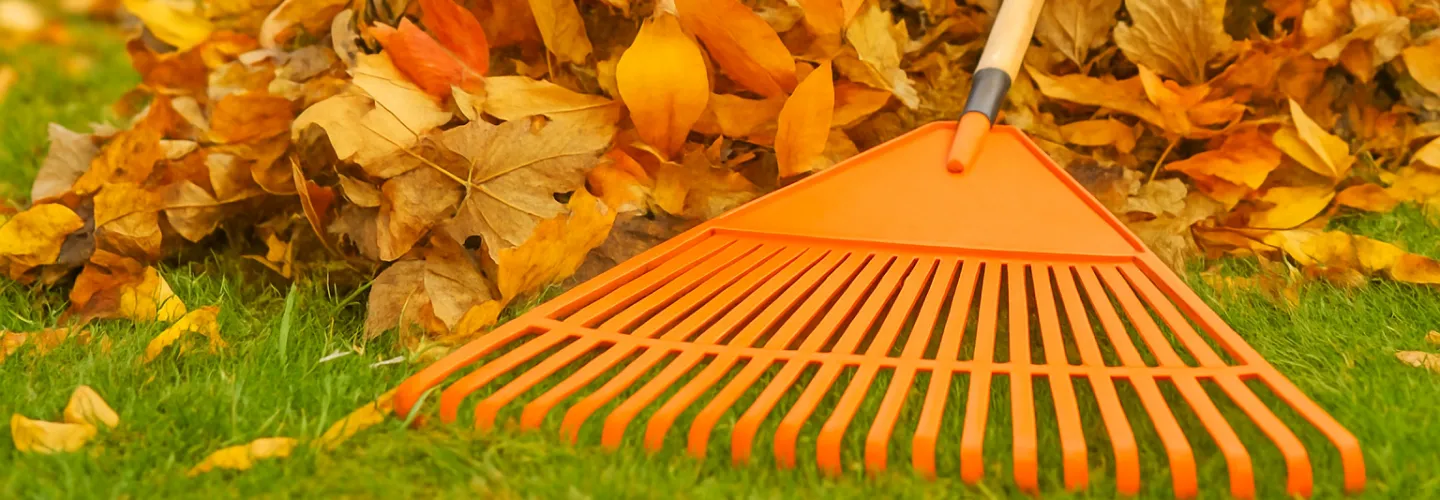
Pelican Green Waste Disposal Services
Choose our Green Waste Disposal for reliable, environmentally responsible service that keeps your property clean and helps protect the planet—experience hassle-free pickups, expert handling, and a commitment to sustainability.
Get a Free QuoteOur Pelican Landscaping & Yard Care Services
When to Schedule Green Waste Disposal in Pelican, Florida – Seasonal Guide
In Pelican, Florida, the timing of green waste disposal is closely tied to our unique subtropical climate and the rhythms of local landscaping needs. The best periods for scheduling green waste removal are typically late winter through early spring and again in late summer, just before hurricane season. These windows align with the end of the dormant period for many native plants and the peak of yard maintenance activities in neighborhoods like Pelican Bay and near the scenic Pelican Harbor. Local weather patterns—such as high humidity, frequent summer rains, and the risk of late frosts—play a significant role in determining when your yard generates the most debris.
Environmental factors like sandy soils, dense shade from mature oaks, and the proximity to water bodies such as Pelican Lake also influence the volume and type of green waste produced. Homeowners should be mindful of municipal guidelines and seasonal collection schedules, which can be found on the official town website. By considering these local characteristics, you can ensure your green waste disposal is both efficient and environmentally responsible.
Local Factors to Consider for Green Waste Disposal in Pelican
- Tree density and species (e.g., live oaks, palms, and pines)
- Proximity to water features and flood-prone areas
- Seasonal precipitation and hurricane preparedness
- Soil type (sandy vs. loamy) affecting plant growth cycles
- Shade coverage from mature landscaping
- Municipal restrictions and scheduled collection dates
- Neighborhood-specific landscaping trends and HOA guidelines
Benefits of Green Waste Disposal in Pelican
Eco-Friendly Waste Management
Promotes Healthy Landscapes
Reduces Landfill Usage
Convenient Pickup Services
Supports Local Sustainability
Cost-Effective Disposal Solutions
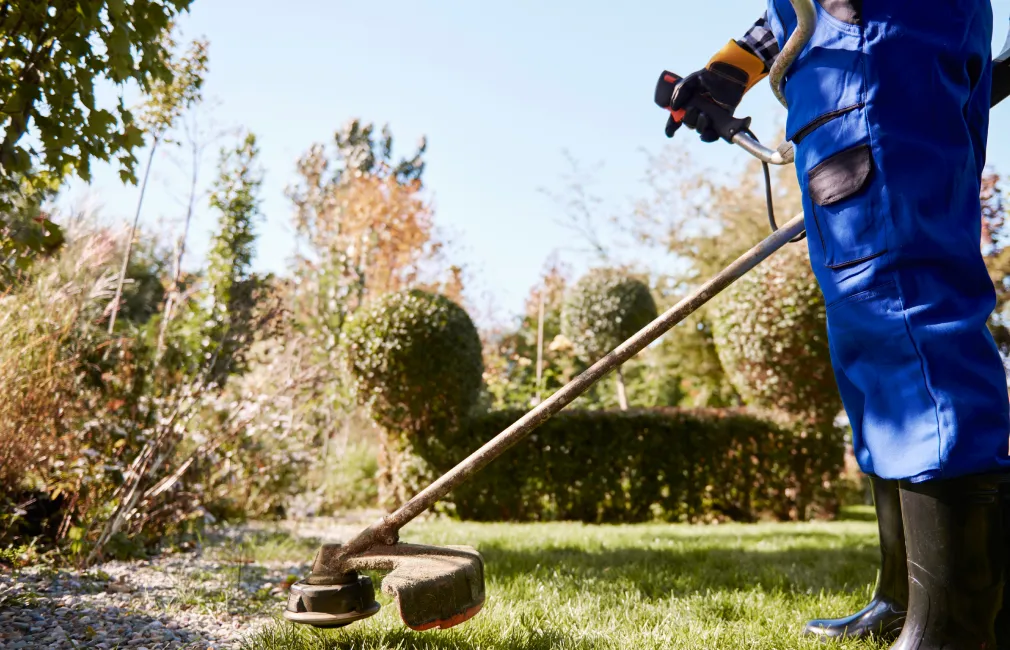
Pelican Green Waste Disposal Types

Grass Clippings
-
Tree Branches
-
Shrub Trimmings
-
Leaves and Foliage
-
Weeds and Plants
-
Wood Chips
-
Garden Debris
Our Green Waste Disposal Process
Collection of Green Waste
Sorting and Separation
Transport to Disposal Facility
Eco-Friendly Processing
Why Choose Pelican Landscape Services
-
Pelican Homeowners Trust Us
-
Expert Lawn Maintenance
-
Reliable Scheduling
-
Competitive Pricing
-
Professional Team
-
Satisfaction Guarantee
-
Personalized Service
Coordinating Green Waste Disposal Through Cape Coral's Public Works Operations
Pelican is an unincorporated community within the City of Cape Coral in Lee County, Florida. Residents must coordinate green waste disposal through Cape Coral's municipal solid waste and public works framework. Curbside yard waste collection operates on a weekly schedule, with materials placed at the curb by 6:00 AM on the designated pickup day. Accepted materials include grass clippings, leaves, palm fronds, shrub trimmings, and branches under 6 feet in length and 4 inches in diameter. Yard waste must be bundled, bagged in biodegradable containers, or placed in reusable 32-gallon bins—plastic bags are prohibited. Bulk vegetative debris from storm cleanup or large-scale landscape projects may require separate scheduling through the city's waste hauler. Property owners generating more than 6 cubic yards of green waste per collection cycle should arrange supplemental pickup to avoid code enforcement action.
City of Cape Coral Public Works Department
1015 Cultural Park Boulevard, Cape Coral, FL 33990
Phone: (239) 574-0800
Official Website: City of Cape Coral Public Works Department
Pelican's Sandy Entisol Soils and Green Waste Decomposition Challenges
The soils underlying Pelican consist predominantly of Entisols—sandy, poorly structured profiles with pH levels typically ranging from 5.5 to 7.0 and very low organic matter content, often below 1%. These Immokalee and Myakka fine sand series, common throughout southwest Florida's flatwoods landscape, drain rapidly at the surface but feature a spodic hardpan layer at approximately 24–36 inches depth that impedes subsurface drainage during the wet season (June through October). This dual drainage characteristic directly affects green waste management: organic debris left on saturated ground decomposes anaerobically, producing hydrogen sulfide odors and attracting pests. Residents should avoid stockpiling yard waste on low-lying portions of their lots where seasonal water tables rise to within 12–18 inches of the surface. Soil conditions can be verified through the USDA Web Soil Survey using the Lee County dataset. Composting on-site requires raised bins elevated at least 6 inches above grade to prevent waterlogging, and finished compost benefits Pelican's nutrient-poor sandy soils by increasing organic matter retention and improving moisture-holding capacity. The UF/IFAS Extension Lee County office provides composting guidance tailored to southwest Florida's soil and climate conditions.
Protecting Cape Coral's Canal Network During Yard Waste Collection
Cape Coral's extensive freshwater canal system—over 400 miles of navigable waterways—runs directly through and adjacent to Pelican, making stormwater compliance a critical consideration during green waste disposal. Under the city's MS4 permit administered through the Florida Department of Environmental Protection, yard waste materials must not enter stormwater conveyances, canal banks, or drainage swales. Specific compliance requirements include:
- Maintain a minimum 25-foot setback from canal edges when staging yard waste for collection
- Never blow or rake grass clippings, leaves, or debris into street gutters, storm drains, or canal rights-of-way
- Secure lightweight materials (palm frond fibers, leaf litter) to prevent wind dispersal into waterways
- Report illegal dumping of yard waste into canals to Cape Coral code enforcement at (239) 574-0613
Violations of the Clean Water Act and the Florida Environmental Protection Act can result in fines and remediation orders. EPA Region 4 oversees federal stormwater enforcement for southwest Florida communities.
City of Cape Coral Water Quality and Conservation
1015 Cultural Park Boulevard, Cape Coral, FL 33990
Phone: (239) 574-0800
Official Website: City of Cape Coral Water Quality and Conservation
Hurricane Season Debris Management and Emergency Green Waste Protocols in Pelican
Pelican's location in USDA Hardiness Zone 10a within southwest Florida's hurricane corridor (June 1 through November 30) means residents must plan for surge volumes of vegetative debris following tropical storms. Cape Coral typically activates emergency debris collection routes within 48–72 hours of a storm event, with separate passes for vegetative waste and construction debris. Post-storm green waste protocols include:
- Separate vegetative debris (branches, palm fronds, uprooted shrubs) from construction materials, appliances, and household waste
- Stack branches parallel to the curb, no longer than 6 feet, with cut ends facing the street
- Do not place debris within 10 feet of fire hydrants, utility poles, or mailboxes
- Avoid blocking sidewalks, bike lanes, or drainage inlets with staged materials
- Monitor the city's official website and local National Weather Service Tampa Bay office for storm recovery updates
Pre-season preparation should include trimming dead fronds from sabal palms (Sabal palmetto), removing weakened branches from live oaks (Quercus virginiana), and clearing accumulated organic debris from swales before the wet season begins in late May.
City of Cape Coral Environmental Resources
1015 Cultural Park Boulevard, Cape Coral, FL 33990
Phone: (239) 574-0800
Official Website: City of Cape Coral Environmental Resources
Navigating Cape Coral's Tree Trimming Program and Vegetation Removal Permits
Green waste generated from tree trimming and vegetation removal in Pelican may require coordination with Cape Coral's municipal tree trimming program and development services. The city maintains a right-of-way tree trimming schedule that addresses vegetation encroaching on public roadways, sidewalks, and utility corridors. Property owners must maintain a minimum vertical clearance of 14 feet over streets and 8 feet over sidewalks. Removal of protected species—including gopher tortoise habitat vegetation, mangroves within tidal zones, and specimen trees exceeding 18 inches DBH (diameter at breast height)—requires a permit through the Development Services Department. Permit applications typically require:
- Site plan showing tree location relative to property lines and structures
- Species identification and DBH measurement
- Justification for removal (dead, diseased, hazardous, or development-related)
- Mitigation plan specifying replacement plantings at a typical ratio of 1:1 or greater
- Application fee ranging from $25–$100 depending on scope
All vegetative waste from permitted removal must be disposed of through approved channels and may not be burned within city limits. The UF/IFAS Extension provides species identification resources for southwest Florida's native and invasive plant communities.
City of Cape Coral Tree Trimming Program
1015 Cultural Park Boulevard, Cape Coral, FL 33990
Phone: (239) 574-0800
Official Website: City of Cape Coral Tree Trimming Program
What Streets and Subdivisions Do We Serve Throughout Pelican, FL?
- Pelican Boulevard Corridor: This central thoroughfare features established residential lots with mature sabal palms and live oaks that generate substantial frond and leaf litter year-round, requiring frequent curbside green waste collection and attention to canal-adjacent setback requirements.
- Cape Coral Parkway West Area: Properties near the commercial corridor along Cape Coral Parkway produce mixed green waste from ornamental landscaping and tropical hedging; narrow lot frontages require compact staging of yard debris to avoid obstructing sidewalks and drainage infrastructure.
- Skyline Boulevard Subdivision: Newer residential development with St. Augustinegrass (Stenotaphrum secundatum) lawns on Immokalee fine sand soils; high clipping volumes during the May–October growing season demand consistent weekly disposal and proper bagging to prevent nutrient runoff into adjacent canal segments.
- Tropicana Parkway Neighborhood: Low-elevation lots near freshwater canals experience seasonal water table rise to within 12–18 inches of grade, making timely removal of organic debris essential to prevent anaerobic decomposition and pest attraction.
- Chiquita Boulevard South Homes: Larger residential parcels with dense tropical plantings including coconut palms (Cocos nucifera) and bougainvillea generate bulky green waste requiring bundling and occasional bulk pickup scheduling beyond standard weekly collection limits.